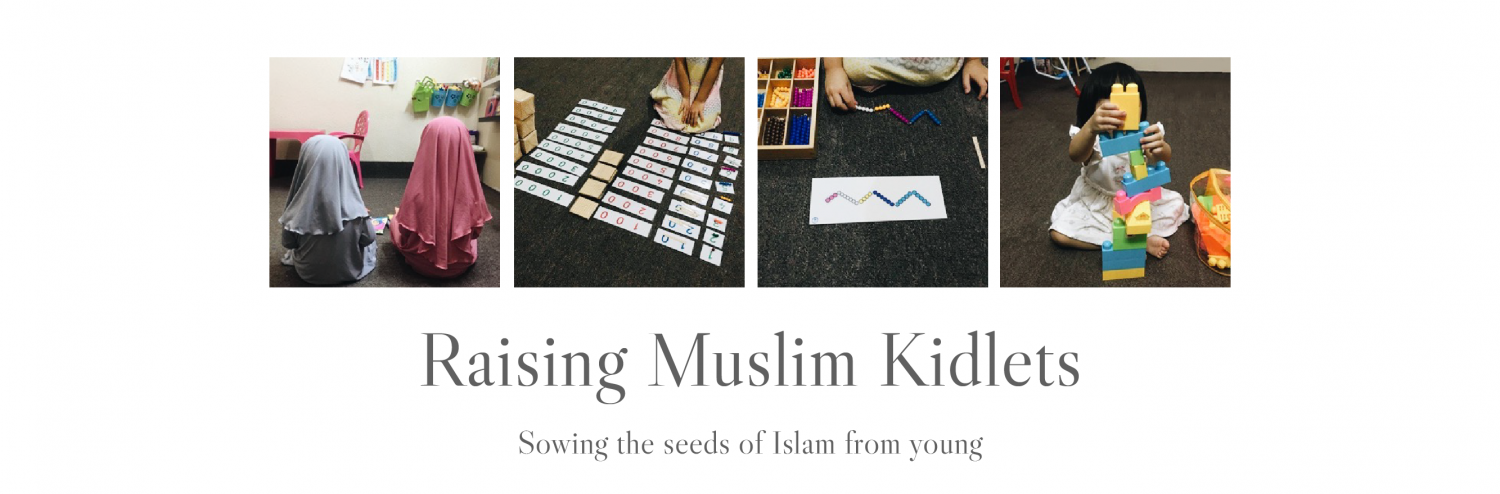
We were introduced with Montessori teaching by my aunt when I told her that we wanted to start teaching my then 2 years old firstborn to read. We were gifted by her the Montessori pink series language. I researched quite a lot , from reading books, searching from the internet, video binging at Youtube and enrolled myself in a few short courses. And I still feel overwhelmed with all the information. In a good way of course. It resonates well with out parenting method and educating our children. I am not a Montessori qualified teacher. I am just a very passionate home-maker trying to incorporate Montessori in our life . I am still learning but I wish to share with you the readers what Montessori is all about and how you can apply it too.

Introduction: The Montessori method is named after its founder Dr Maria Montessori an Italian physician. She first developed her teaching in Rome when she was researching and working with special needs children. From there she opened her own school Casa Dei Bambini in 1906. And her method has been used ever since around the world.
Maria Montessori believed that children learned best by “doing” , by being active in their hands-on learning activities. Dr Montessori emphasised a lot in sensorial and developing important life skills. She created her own resources and materials to help children learn. Most of the designs are adapted to ensure children can developed independency and learning at a young age.
Dr Montessori divided the children’s learning development into four different stages called “planes of development”: Ages 0-6 7-12 12-18 18-24 And sensitive periods.
Sensitive period is when children acquired natural inclination or interest towards learning a new skills.
In this series I am going to focus solely on 0-6 planes of development. And there are 4 areas in a Montessori 3-6 class:
Sensorial, practical skills, language and mathematics.
Some misconception:
Montessori is all play.
Well, Dr Montessori did say that “play is the work of a child”. From an outsider’s view, it does seems like kids in Montessori environment spend most of their learning time “playing”. But what Dr Montessori meant is that learning is incorporated in every “play”.
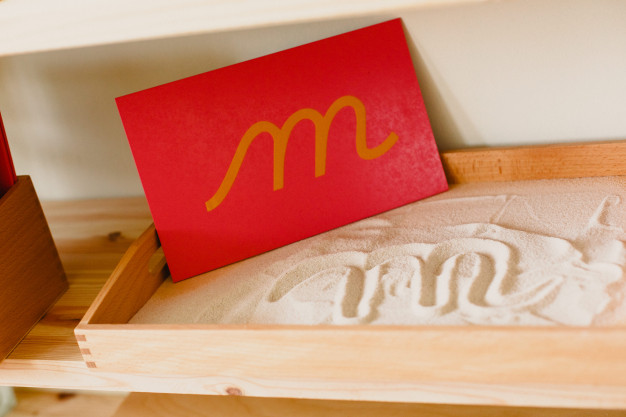
Each materials have their own purpose. It reveals the concepts to the child through hands-on, uninterrupted exploration, after an introductory lesson from the Montessori teacher. For example, the Pink Tower contains multiple concepts, including height, volume and sequence, squares of numbers and cubes of numbers, among other abstractions. There are dozens of pieces of Montessori- designed materials that help the child in educating the senses of hearing, seeing, smelling, touching, and tasting. Other Montessori materials aid the child in acquiring skills in maths, reading, writing, geography and many more.
Montessori is expensive.
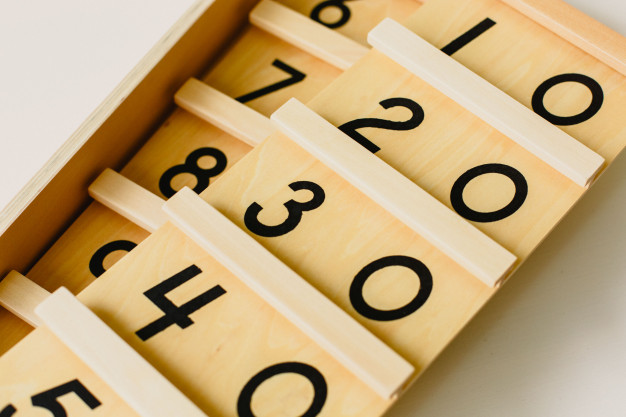
Sadly, yes most materials are expensive because Dr. Montessori emphasized beauty and high quality of materials. The cost of materials for the classroom as well as specific furniture for the classroom contributes greatly to the cost of Montessori. Materials are not manufactured in a factory (or shouldn’t be) and are made with enormous quality of care. Montessori avoid using plastic hence often defaulting to wood so the material is more long-lasting.
But personally for me, i DIY-ed most of the materials – suiting my budget and as long as the purpose of the materials used for learning is achieved, i am satisfied Alhamdulillah. You do not need to have a complete Montessori curriculum or all the Montessori materials in order to apply Montessori principles.
Montessori gives too much freedom that the classroom look unstructured with kids doing their own work.
“Freedom within Limits” – The concept of allowing freedom within limits is a crucial idea in Montessori philosophy. To the casual observer, or new teacher, freedom may appear to allow a child to do anything he or she would like. Freedom is limited by the level of ability and responsibility a child has. The child is given the freedom to move freely about the classroom. This freedom may be taken away, if the child uses the freedom to go around hitting other children, disrupting other’s work, damaging materials, or otherwise not choosing a purposeful activity that will lead to a normalizing event. The child is free to act within the limits of purposeful activity.
Conclusion:

There are many misconceptions around the Montessori method. You might want to research and look around and see if it might appeals you.
Whatever method you wish to apply on your children, always try to equip yourself with enough information. Research and research and see what is the most suitable way to apply it. In the next part of this series i will be sharing on how I teach Arabic language using the Montessori method inshaAllah
 Raising muslim kidlets